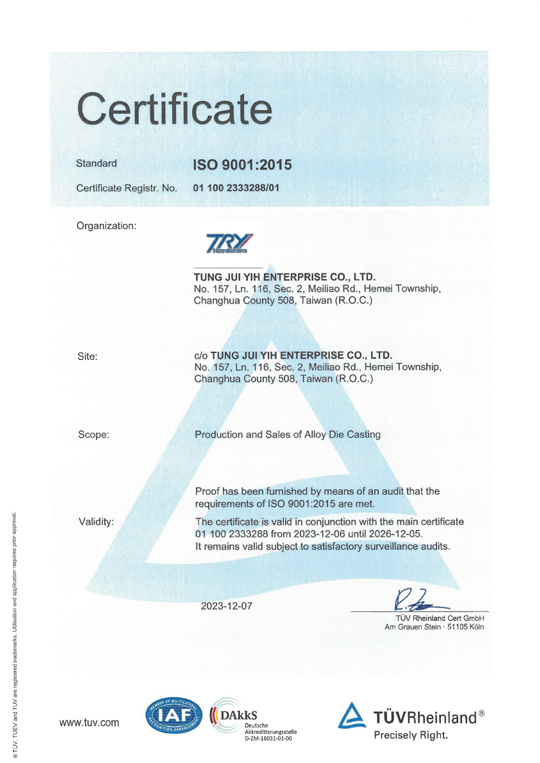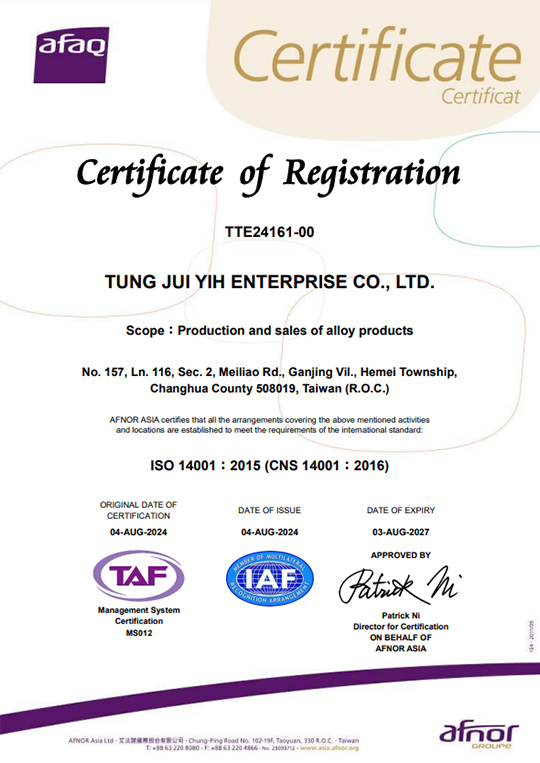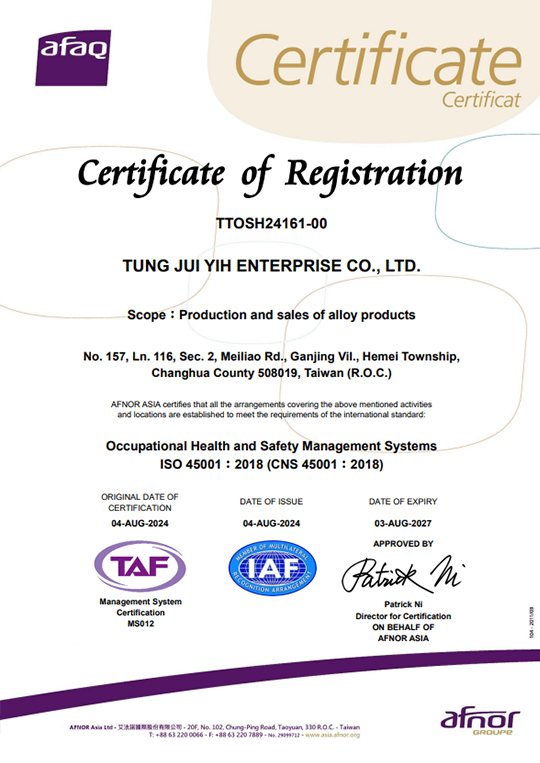






Quality Advantages
We integrate quality management into every stage of the manufacturing process—from customer requirement and drawing review, material procurement, and process control to surface treatment, assembly, final inspection, and shipment. Through systematic management, continuous process monitoring, and ongoing improvement, we ensure that every product meets customer specifications, functional requirements, and delivery expectations.
Across a wide range of manufacturing processes, including CNC turning and milling, aluminum and zinc die casting, forging, plastic injection molding, tooling and mold development, secondary machining, and assembly, we establish product-specific quality control plans based on application requirements, critical dimensions, and key product characteristics. Complete quality records are maintained throughout every stage—from material certification and first-article approval to in-process inspection and final verification—ensuring consistent quality and full product traceability.
During the New Product Introduction stage, we place strong emphasis on early risk identification and manufacturing feasibility assessment. Our engineering and quality teams jointly review drawings, tolerances, materials, manufacturing processes, and surface treatment requirements. Depending on project requirements, quality planning tools such as FMEA, Control Plans, and PPAP may be implemented to identify potential risks at an early stage and reduce quality issues and engineering changes during mass production.
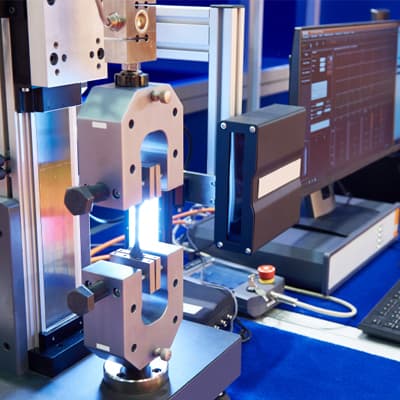
Our Quality Management Priorities
Before project launch, we review product dimensions, tolerances, materials, surface finishes, functional requirements, appearance criteria, and inspection specifications to ensure that manufacturing conditions and quality expectations are clearly defined and aligned.
Raw materials, purchased components, and outsourced surface treatments are subject to appropriate document verification and quality inspection. This may include material certificate review, specification verification, visual inspection, and dimensional inspection.
First-article inspection is conducted before full production begins. Critical dimensions, special characteristics, and key manufacturing processes are monitored and recorded throughout production to prevent nonconforming products from proceeding to subsequent operations.
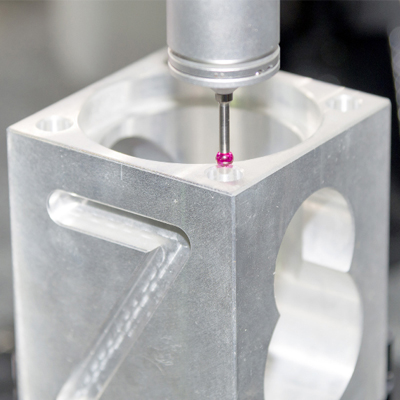
Before shipment, products are inspected against approved drawings, reference samples, and inspection standards. Dimensional accuracy, appearance, functionality, packaging, and other customer-specific requirements are verified to ensure that all delivered products meet the agreed specifications.
Depending on project requirements, we can provide dimensional inspection reports, material certificates, surface treatment certificates, first-article inspection reports, CMM reports, certificates of conformance, and other customer-specified quality documentation.
In the event of a quality issue, we implement containment measures, root-cause analysis, corrective actions, and preventive actions. Lessons learned are incorporated into process improvements to reduce the risk of recurrence and continuously enhance overall manufacturing performance.