





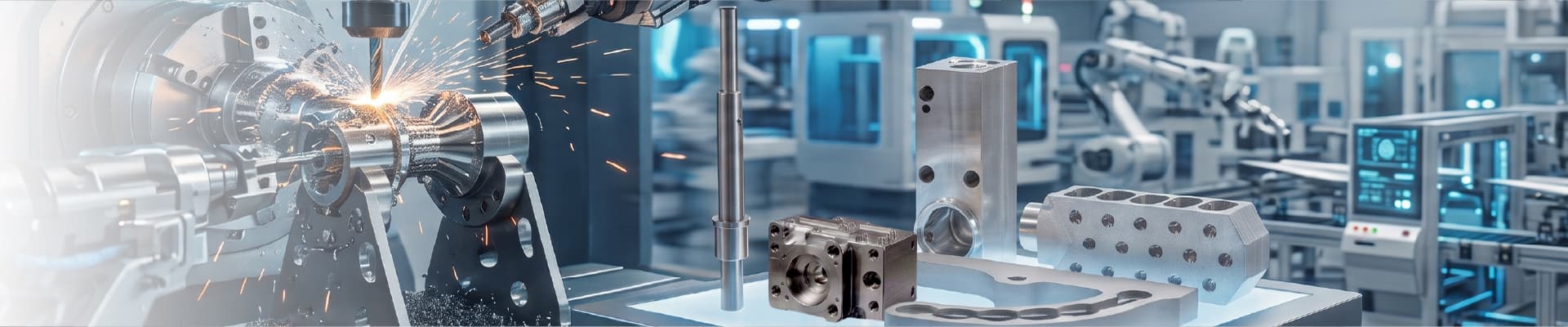
Die-Casting Services for Aluminum, Zinc & Magnesium

Precision high-pressure die casting (HPDC) for zinc, aluminum, and magnesium alloys — one-stop manufacturing from DFM for manufacturability, die design & build, die casting, CNC precision machining, through surface finishing and assembly.
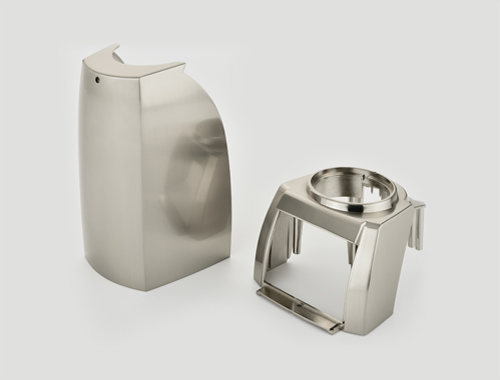
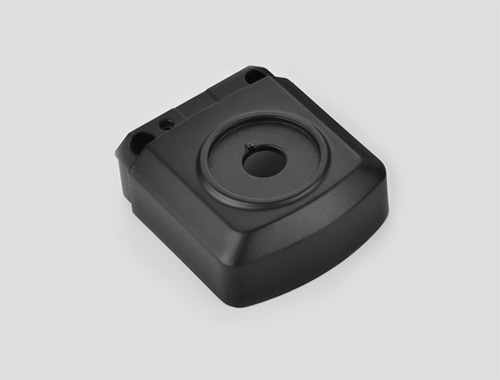
We excel at thin-wall, complex geometries, cosmetic parts, and structural components—balancing dimensional accuracy, cosmetic grades, and mass-production yield for fast ramp-up and reliable lead times.
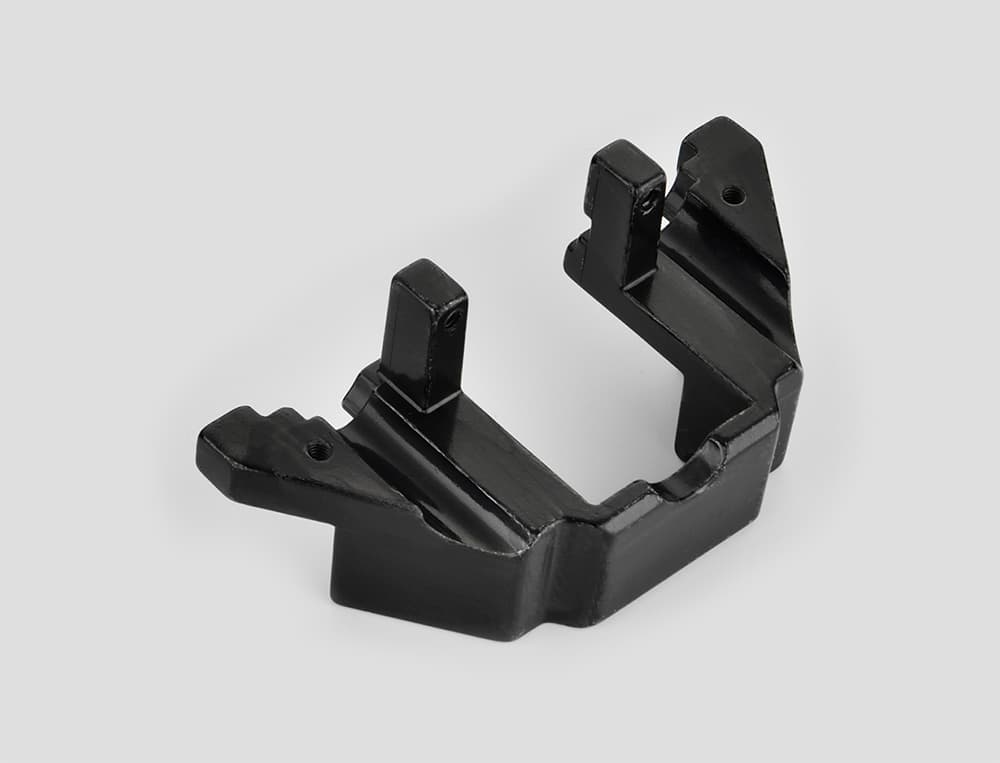
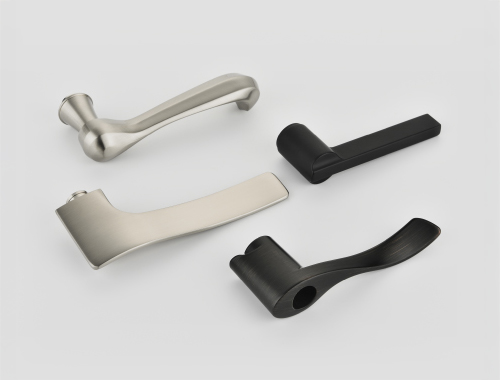
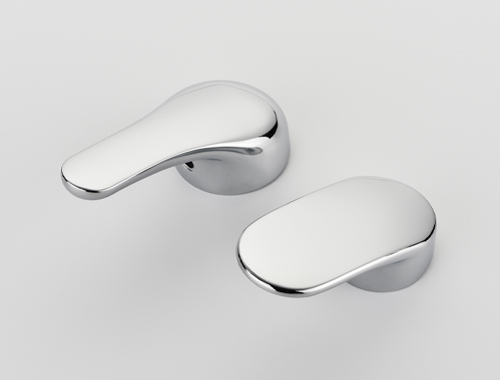
Die Casting Capabilities
We provide high-pressure die casting services for zinc, aluminum, and magnesium alloys, with cold-chamber or hot-chamber processes selected according to part size, geometry, material requirements, and annual production volume.
Common materials include Zamak 3 and Zamak 5 zinc alloys, ADC12, A380, and AlSi9Cu3 aluminum alloys, as well as AZ91D magnesium alloy. During the early tooling and product development stage, we can support mold flow analysis to optimize gate, runner, overflow, and venting design, helping reduce risks such as shrinkage porosity, gas porosity, cold shuts, deformation, and incomplete filling while improving production stability and yield.
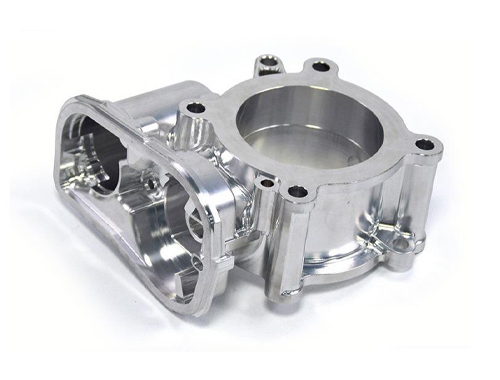
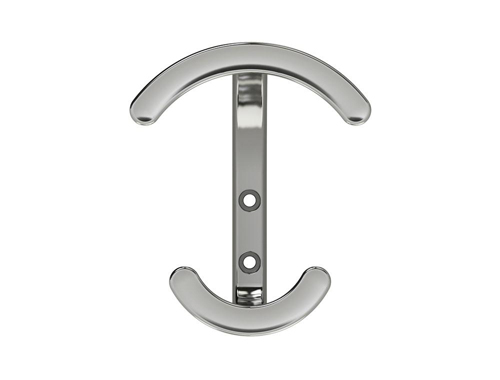
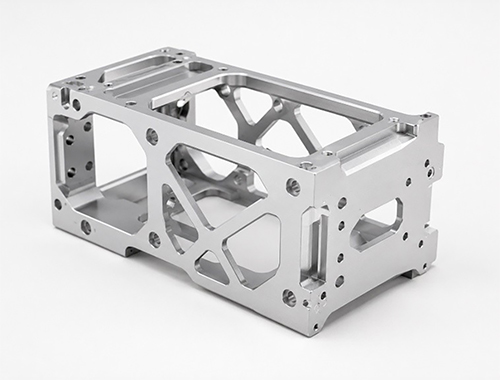
After die casting, parts can be integrated with 4-axis and 5-axis CNC machining, deburring, sandblasting, polishing, electroplating, powder coating, anodizing, and chemical conversion treatment. Secondary machining can be applied to critical dimensions, mating surfaces, threads, sealing areas, and locating features where higher precision is required.
Upon request, we can also provide material certificates, dimensional inspection reports, First Article Inspection (FAI), and PPAP documentation. Customized packaging, assembly, and shipment support are available to help customers manage the complete process from tooling development and die casting to secondary processing and final delivery.
Die Casting Equipment and Automation
Our zinc alloy die casting equipment includes: 80T, 100T, 125T, 150T, and 200T die casting machines
The production line is supported by YASKAWA six-axis robotic arms for automated part removal and spraying, helping improve cycle consistency, process repeatability, and production efficiency.
We are also equipped with a centralized melting furnace and fully automatic molten-metal feeding system, supporting more stable melt supply, temperature control, and consistent mass-production conditions.
By integrating die casting, automation, secondary machining, surface finishing, and inspection capabilities, we can support projects from tooling development and trial production through full-scale mass production for automotive, motorcycle, electronics, industrial equipment, hardware, UAV, and other precision metal component applications.
Die Casting Design Considerations
Die casting quality is influenced not only by machine tonnage, but also by gate location, wall-thickness transition, venting, mold temperature, and filling speed.
For parts with demanding cosmetic, leak-tightness, or dimensional-stability requirements, we can evaluate parting lines, draft angles, machining allowance, and potential shrinkage areas during the early development stage to help reduce tooling modifications, secondary machining, and total production cost.